
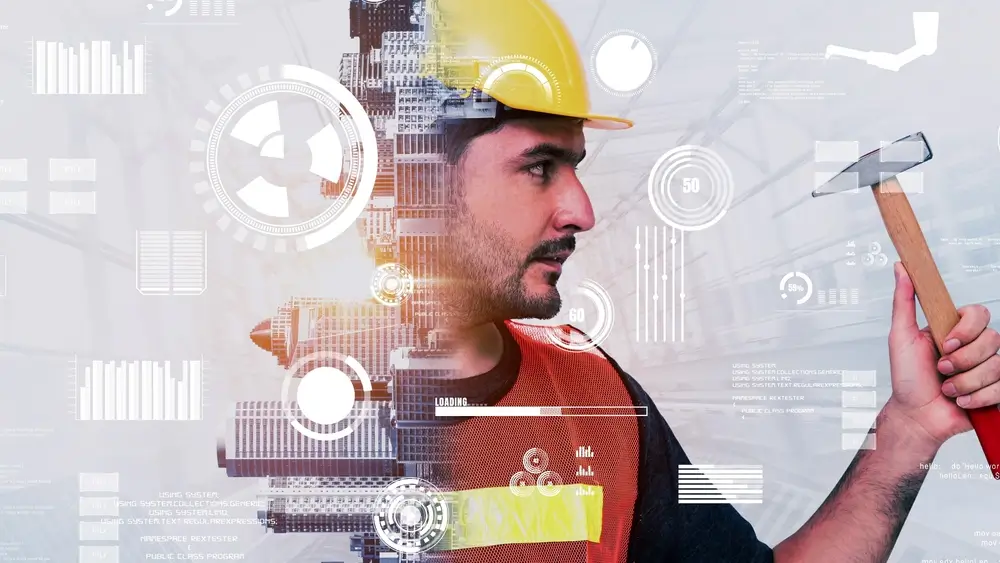
Understanding the Future of EHS Technology
The Future of EHS Technology: Drones, Wearables & AI in Workplace Safety
Workplace safety is undergoing a major transformation as Environmental, Health, and Safety (EHS) practices evolve through technology. Traditional, reactive safety approaches are no longer sufficient for today’s complex and fast-paced work environments. Advancements in digital tools are enabling organizations to identify risks earlier, respond faster, and prevent incidents before they occur. From smart data systems to real-time monitoring, EHS technology is shifting safety management from legal-driven processes to proactive risk prevention. This evolution is helping organizations protect workers while improving efficiency and regulatory performance.
Evolution of EHS: From Manual Processes to Smart Systems
Historically, EHS management relied heavily on manual inspections , paperwork, and delayed incident reporting, which limited visibility into real-time risks. Safety audits and hazard assessments were often reactive, conducted only after incidents occurred. The shift to smart EHS systems has introduced digital reporting, cloud-based dashboards, and mobile inspection tools that provide immediate access to safety data. These systems allow safety managers to track trends, identify high-risk activities, and implement corrective actions more efficiently. As a result, organizations can move from responding to incidents to predicting and preventing them.
Drones in EHS: Enhancing Visibility and Access
Drones are rapidly becoming valuable tools in EHS by providing safe and efficient access to high-risk or hard-to-reach areas. They enable remote inspections of rooftops, scaffolding, confined spaces, and large industrial sites without exposing workers to unnecessary hazards. High-resolution imagery and real-time video allow safety teams to identify structural issues, unsafe conditions, and legal gaps quickly. Drones also support faster incident investigations and documentation by capturing accurate visual evidence. By reducing the need for manual inspections, drones help lower risk while improving inspection accuracy and efficiency.
Wearable Sensors & IoT Devices: Real-Time Worker Protection
Wearable sensors and Internet of Things (IoT) devices are transforming worker safety by providing continuous, real-time monitoring of physical and environmental conditions. Wearable technology can track vital indicators such as heart rate, fatigue levels, body posture, and prolonged exposure to hazardous conditions, helping identify early signs of strain or overexertion.
In parallel, environmental IoT sensors monitor jobsite conditions, including gas leaks, temperature extremes, air quality, and excessive noise levels. When predefined safety thresholds are exceeded, instant alerts are sent to workers and supervisors, enabling rapid intervention before incidents occur. Studies indicate that the use of wearable safety technology has contributed to up to a 15% reduction in lost-time injuries in high-risk industries, highlighting its growing role in proactive injury prevention.
Artificial Intelligence & Predictive Safety Analytics
Artificial intelligence is transforming EHS management by analyzing large volumes of incident data, near-miss reports, and behavioral observations to uncover hidden risk patterns. Predictive analytics models can flag high-risk tasks, locations, or time periods before accidents occur, enabling proactive intervention. AI-driven systems also generate automated risk scores for sites, teams, and activities, helping safety managers prioritize resources more effectively. By supporting data-driven decision-making, AI allows organizations to move from reactive incident response to preventive safety planning. Over time, these insights contribute to continuous improvement and measurable risk reduction.
Automation & Robotics in Hazardous Tasks
Automation and robotics are increasingly used to perform repetitive, high-risk, or precision-based tasks that expose workers to injury. Robots can handle material transport, confined-space inspections, and maintenance activities in environments with extreme heat, toxic substances, or heavy machinery. By reducing direct human involvement in dangerous operations, organizations significantly lower the likelihood of serious injuries or fatalities. Automation also improves consistency and accuracy, minimizing errors caused by fatigue or distraction. As robotics technology advances, its role in protecting workers in hazardous settings will continue to expand.
Integration Challenges & Ethical Considerations
Despite their benefits, advanced EHS technologies raise important challenges related to data privacy and workforce trust. Continuous monitoring through sensors, wearables, or AI systems can create concerns about surveillance and misuse of personal data. Smaller organizations may also face cost, infrastructure, and technical barriers when adopting advanced safety technologies. To address these issues, employers must implement transparent policies, clearly communicate how data is used, and actively involve workers in safety technology decisions. Ethical, inclusive implementation is essential to ensure technology enhances safety without compromising trust or morale.
The Role of Leadership & Safety Culture in EHS Technology Adoption
While advanced EHS technologies offer powerful safety insights, they are most effective when supported by strong leadership and a positive safety culture. Technology should be viewed as a tool that enhances decision-making and hazard prevention, not as a replacement for active safety leadership or supervision. Successful adoption depends on properly training workers to understand, trust, and correctly use digital safety tools in real-world conditions. This is where online programs like the 10-Hour OSHA course and 30-Hour programs play a vital role.
Leaders must also ensure that new technologies align with existing safety programs, site-specific procedures, and OSHA standards. When leadership reinforces accountability and engagement, technology becomes a catalyst for long-term safety improvement rather than a standalone solution.
What the Future Holds for EHS Technology
The future of EHS technology points toward greater integration, automation, and predictive capabilities across workplaces. Advances in artificial intelligence and data analytics will enable organizations to anticipate hazards before incidents occur, shifting safety from reactive to predictive.
Connected systems will allow real-time working with between workers, supervisors, and safety teams, even across remote locations. As technology becomes more accessible and user-friendly, its adoption will expand beyond large enterprises, making advanced safety solutions a standard component of everyday operations.
Conclusion
The future of EHS technology promises a safer, smarter, and more proactive approach to workplace safety. Emerging tools such as AI-driven predictive analytics, wearable sensors, drones, and robotics are enabling organizations to identify hazards, prevent incidents, and protect workers like never before.
While technology enhances safety programs, it works best when paired with strong leadership, a culture of safety, and employee engagement. Organizations that embrace these innovations strategically can reduce injuries, improve operational efficiency, and foster a workforce that is informed, empowered, and safer. Investing in EHS technology today is an investment in both worker protection and long-term organizational resilience.
Related Posts

Understanding Workplace Psychological Safety
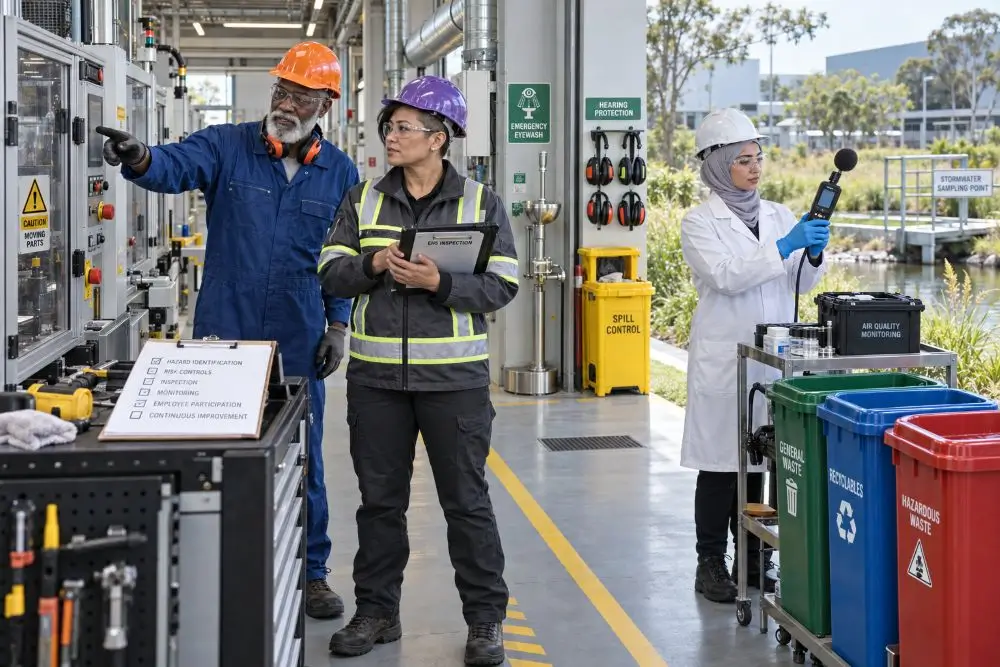
Environmental Health and Safety Explained