

What is an EHS Specialist?
An Environmental, Health, and Safety (EHS) Specialist plays a vital role in ensuring that workplaces, facilities, and organizations comply with laws, regulations, and policies related to environmental protection, workplace safety, and employee health. Their work focuses on identifying potential risks, minimizing accidents, and fostering a culture of safety within the organization.
These professionals are essential in various industries, including manufacturing, construction, healthcare, and energy, where maintaining health, safety, and environmental standards is critical to the success of operations.
All about EHS Specialists?
An EHS Specialist is a professional who oversees the health, safety, and environmental legal within an organization. Their responsibilities include creating and implementing safety policies, conducting inspections, ensuring proper hazard communication, performing risk assessments, and ensuring legal with federal, state, and local regulations.
EHS specialists may also manage waste disposal programs, monitor environmental impacts, and provide training to employees about proper safety procedures and best practices for health and environmental protection.
EHS Specialists often work closely with other departments, including legal, operations, and human resources, to ensure a safe and legal work environment. They play an integral part in developing sustainability initiatives, promoting green technologies, and advising on health and safety risk mitigation strategies.
What Credentials Are Required to Become an EHS Specialist?
To pursue a career as an EHS Specialist, certain qualifications and credentials are necessary. A bachelor’s degree in environmental science, occupational health, safety management, or a related field is typically required. This foundational education provides professionals with the knowledge needed to understand regulations, hazardous materials, safety standards, and environmental protection practices.
In addition to formal education, many EHS Specialists obtain certificates that enhance their qualifications. Some of the most recognized certificates include:
- trained Safety Professional (CSP): This certificate is awarded by the Board of trained Safety Professionals (BCSP) and demonstrates an advanced understanding of safety principles and practices.
- trained Industrial Hygienist (CIH): Issued by the American Board of Industrial Hygiene (ABIH), this certificate highlights expertise in assessing and controlling workplace health hazards.
- trained Hazardous Materials Manager (CHMM): Offered by the Institute of Hazardous Materials Management, this certificate focuses on managing hazardous materials safely and in legal with regulations.
- OSHA certificates: The Occupational Safety and Health Administration (OSHA) offers various courses and certificates that focus on safety regulations and hazard management in workplaces.
While certificates are not always mandatory, they significantly improve job prospects and career advancement opportunities for EHS professionals. Having credentials that demonstrate expertise and commitment to safety is highly valued in the industry.
What Are the Challenges Faced by EHS Professionals?
EHS Specialists face a variety of challenges in their roles as they work to maintain safety and regulatory legal in dynamic and often high-risk environments. Some of the main challenges include:
- Staying Updated with Regulations: EHS laws and standards are constantly evolving, and staying up to date with the latest changes is crucial for ensuring legal. Failing to comply with updated regulations can result in legal issues, fines, or reputational damage to the organization.
- Identifying Potential Hazards: Conducting thorough risk assessments is a continuous challenge, especially in environments with complex operations. Whether it’s dealing with chemical hazards, machinery, or physical environments, EHS specialists must identify risks early and mitigate them before accidents occur.
- Ensuring Employee legal: Even with the best policies in place, employees may not always follow safety protocols or regulations. EHS specialists need to enforce safety measures and provide ongoing training to ensure employees understand and adhere to safety standards.
- Handling Environmental Impact: Balancing operational efficiency and environmental sustainability can be challenging, especially in industries where production activities result in significant waste or emissions. EHS professionals must develop solutions to minimize the organization’s environmental footprint while maintaining business operations.
- Managing Emergency Response: Being prepared for unforeseen incidents, such as accidents, spills, or natural disasters, is an essential part of an EHS specialist’s role. Having effective emergency response plans in place, training employees, and ensuring proper equipment is ready are critical to managing such crises effectively.
What is the Average Salary of EHS Specialists?
The salary of an EHS Specialist can vary depending on factors such as experience, qualifications, and location. According to recent data from Glassdoor, the average annual salary for an EHS Specialist in the United States is approximately $75,000.
However, this figure can range from around $55,000 for entry-level positions to $100,000 or more for those with significant experience or advanced certificates.
Salaries can also fluctuate based on industry. For instance, EHS specialists in the oil and gas, manufacturing, or construction sectors often earn higher salaries due to the higher risk and regulatory requirements associated with those industries. Similarly, professionals with certificates like CSP, CIH, or CHMM can expect to earn higher compensation due to their specialized expertise.
In addition to base salaries, many EHS Specialists receive bonuses, profit-sharing opportunities, or other benefits that enhance their overall compensation packages. These additional incentives can play a significant role in attracting and retaining skilled EHS professionals.
Conclusion
An EHS Specialist plays a crucial role in safeguarding the health, safety, and environment of an organization. With the right credentials, experience, and commitment to ongoing learning, professionals in this field can pursue a rewarding career dedicated to improving workplace conditions and ensuring legal with environmental laws. Although the challenges can be demanding, the impact of their work is significant, making EHS specialists vital to any industry.
Whether you’re interested in the qualifications required, the challenges faced, or the potential salary, understanding the multifaceted role of an EHS specialist can provide clarity about the profession and its importance in creating safe and legal workplaces.
Related Posts
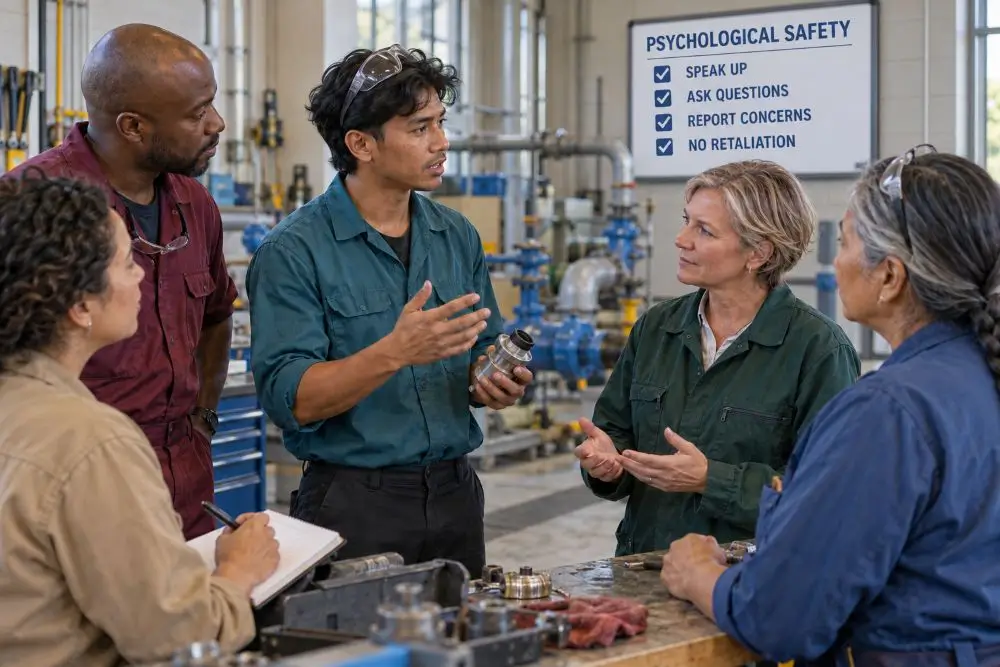
Understanding Workplace Psychological Safety
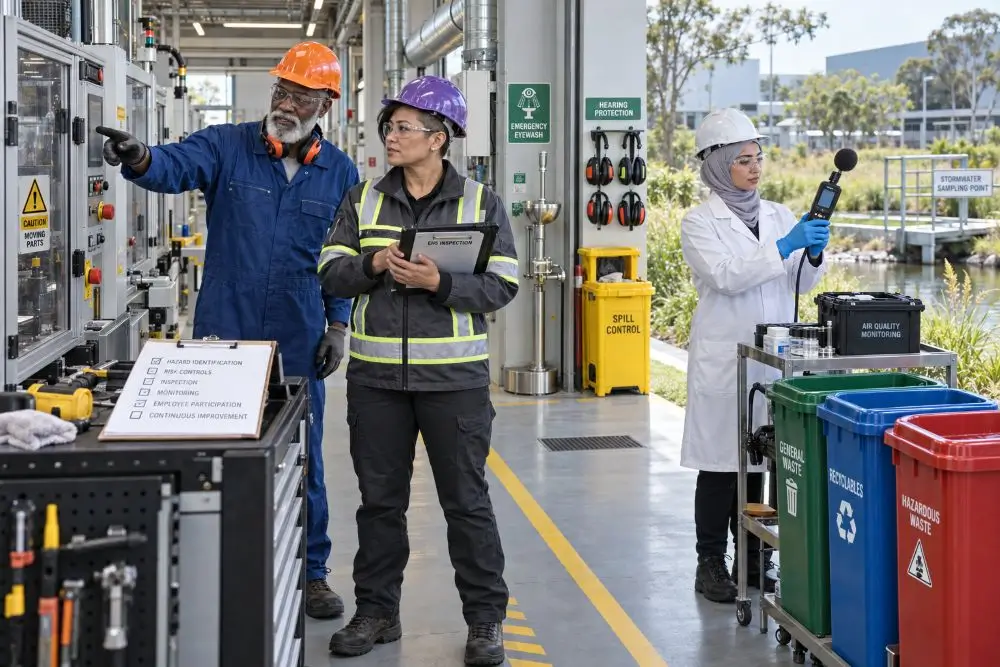
Environmental Health and Safety Explained