
What is the Total Recordable Incident Rate? Learn To Calculate It
Workplace safety has become a major priority for organizations across many industries. To maintain safe environments, companies rely on safety metrics that help measure performance and identify potential risks. These metrics allow safety professionals to track incidents, analyze trends, and improve working conditions for employees. Several indicators are commonly used to evaluate workplace safety, including injury rates and incident tracking systems.
One of the most widely used safety metrics is the Total Recordable Incident Rate (TRIR). This metric helps organizations understand how frequently recordable workplace injuries and illnesses occur in relation to the number of hours employees work. Many safety managers and employers often ask an important question: What is TRIR, and why is it so widely used in safety management? This article explains what TRIR means, how it is calculated, and why it plays an important role in improving workplace safety.
Understanding TRIR in Workplace Safety
The Total Recordable Incident Rate, commonly known as TRIR, is a safety metric used to measure the number of work-related injuries and illnesses that occur within a workplace over a specific period of time. It focuses on incidents that meet the criteria for OSHA recordable cases.
These include injuries or illnesses that require medical treatment beyond basic first aid, as well as incidents that lead to restricted work, job transfer, or time away from work. By tracking these cases, organizations can better understand the frequency of workplace incidents.
Moreover, TRIR allows companies to compare their safety performance with other workplaces or industry standards. Safety professionals often use this metric to identify patterns and determine whether workplace risks are increasing or decreasing. In general, lower TRIR values indicate safer work environments and more effective safety programs.
What Counts as a Recordable Incident?
TRIR calculations include incidents that meet the criteria for recordable workplace injuries or illnesses. These cases go beyond minor first aid and typically require medical treatment or result in changes to an employee’s work duties. For example, injuries that require treatment from a healthcare professional are considered recordable.
Work-related illnesses caused by exposure to harmful substances or unsafe conditions may also be included. Lost-time injuries, where employees must take time off to recover, are another common example. In some situations, workers may be placed on restricted duties or transferred to another job because of an injury, which also qualifies as a recordable case.
Significantly diagnosed injuries, such as fractures or chronic occupational illnesses, are included as well. Accurate reporting of these incidents is essential because reliable safety metrics depend on complete and honest documentation of workplace injuries and illnesses.
How to Calculate TRIR
Safety professionals use a standardized formula to calculate the Total Recordable Incident Rate. The calculation allows organizations to measure the number of recordable incidents relative to the number of hours employees work. The formula includes three main elements: the total number of recordable incidents, the total hours worked by employees during the reporting period, and a standard multiplier used to normalize the results.
The multiplier used in the formula is 200,000, which represents the number of hours 100 full-time employees typically work in a year (40 hours per week for 50 weeks). This benchmark allows companies of different sizes to compare safety performance more accurately.
For example, if a company records 5 recordable incidents and employees worked 400,000 hours, the TRIR would be calculated as:
This result means the organization experienced 2.5 recordable incidents per 100 full-time workers.
Why TRIR Is Important for Workplace Safety
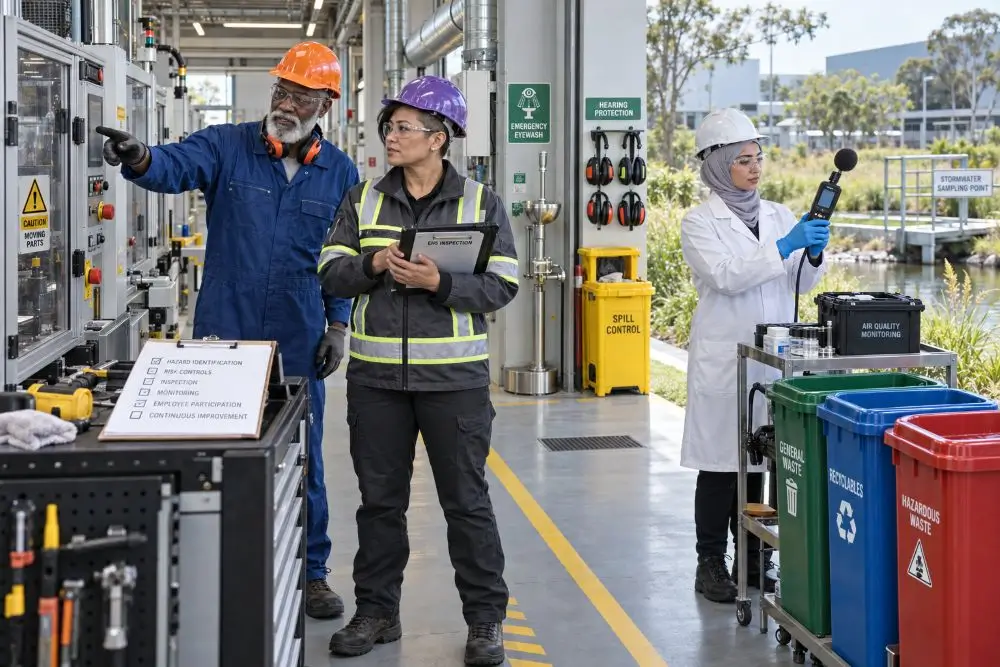
The Total Recordable Incident Rate is an important tool for measuring workplace safety performance. By tracking the number of recordable incidents over time, organizations can better understand how frequently injuries and illnesses occur in their operations. This helps safety professionals identify patterns and monitor workplace injury trends. TRIR can also highlight high-risk tasks, departments, or activities that may require additional safety controls.
When organizations regularly review their incident rates, they can develop more effective safety programs and implement improvements where necessary. In addition, maintaining a low incident rate demonstrates a company’s commitment to protecting its workers and creating safer work environments.
What Is Considered a Good or Bad TRIR?
The interpretation of TRIR results often depends on the type of industry and the risks involved in daily operations. Different industries have varying levels of hazards, which means safety benchmarks can differ significantly.
In general, safety professionals consider a good TRIR to be a rate that falls below the average for the industry. Lower rates usually indicate that safety procedures, training, and hazard controls are working effectively. On the other hand, higher rates may signal safety concerns that require attention. A bad TRIR may suggest frequent incidents, inadequate safety programs, or poor hazard management.
However, it is important to remember that industries such as construction or manufacturing typically face higher risks than office-based environments. For this reason, organizations should evaluate their TRIR within the context of their specific industry and operational hazards.
Factors That Affect a Company’s TRIR
Several workplace factors can directly impact a company’s Total Recordable Incident Rate (TRIR). These factors often increase the likelihood of recordable incidents if not properly managed. Organizations should understand and address these areas to improve safety performance and reduce incident rates.
Common factors include:
- Lack of Safety Training: Employees may be unaware of hazards or proper work procedures.
- Inadequate Hazard Identification: Unrecognized risks can lead to preventable accidents.
- Weak Safety Culture: Employees may ignore procedures or not prioritize safety.
- Equipment Failures: Poorly maintained machinery can increase injury risks.
- Fatigue and Heavy Workloads: Overworked employees are more prone to mistakes and accidents.
How Organizations Can Improve Their TRIR
There are a number of ways through which organisations can improve TRIP. Read below:
- Strengthening Safety Training
Regular training programs help employees understand workplace hazards, safe practices, and proper use of equipment. Well-trained workers who completed programs like 10-Hour and 30-Hour OSHA programs are more likely to prevent accidents before they occur. - Improving Hazard Identification
Routine inspections, risk assessments, and safety audits help organizations identify potential hazards early. Addressing these risks promptly reduces the likelihood of recordable incidents. - Encouraging Incident Reporting
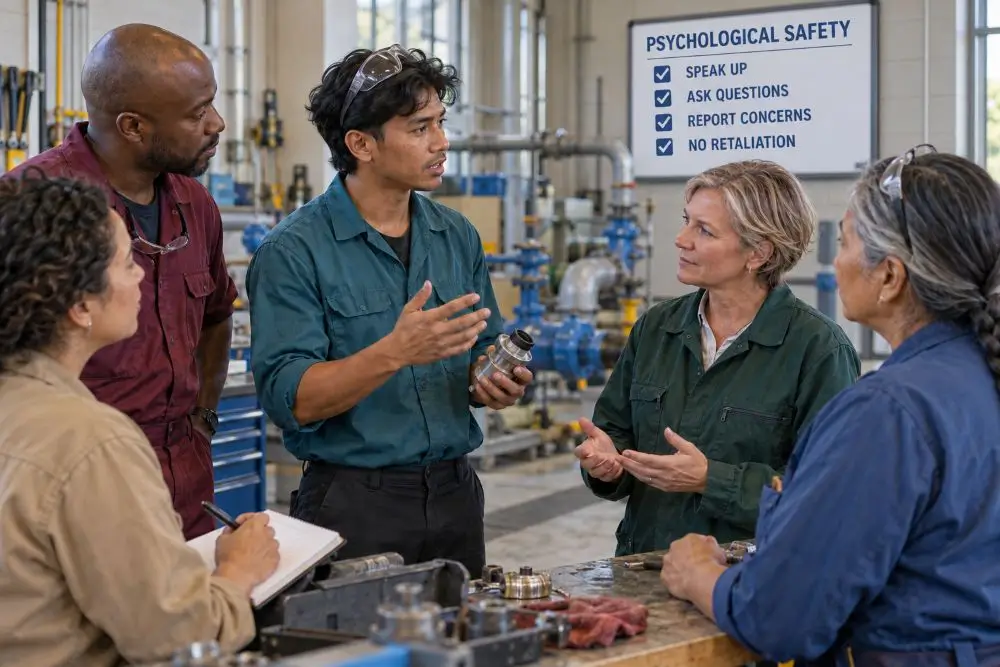
Creating a culture where workers feel comfortable reporting near-misses, unsafe conditions, or minor incidents allows management to act before serious injuries occur. - Enhancing Safety Leadership
Management and supervisors play a critical role in promoting safety. Visible commitment from leadership reinforces the importance of safety practices, motivates employees to follow procedures, and ensures accountability across the organization.
Conclusion
The Total Recordable Incident Rate (TRIR) is a key metric for measuring workplace safety performance. Understanding what TRIR represents, how it is calculated, and what factors influence it allows organizations to take meaningful action. Maintaining a good TRIR requires strong safety training, effective hazard identification, consistent reporting, and committed leadership.
Comparing performance against the total recordable incident rate industry average helps companies benchmark their safety efforts and identify improvement areas. By focusing on prevention and proactive safety measures, organizations can reduce injuries, protect employees, and create safer, more efficient workplaces. Monitoring and improving TRIR is not just a metric; it’s a pathway to long-term safety success.