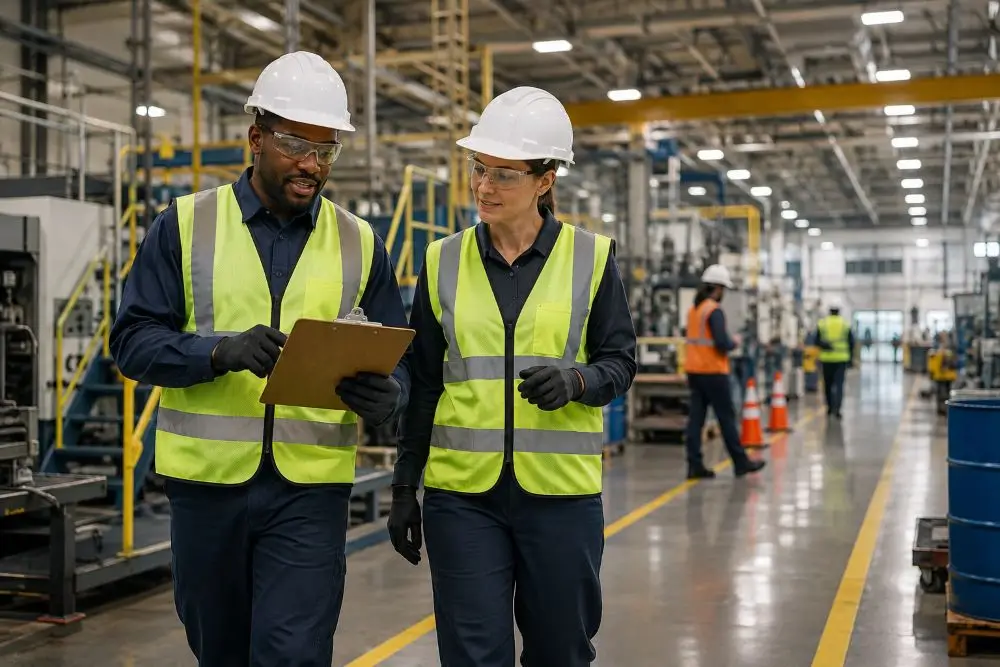
Understanding Workplace Psychological Safety
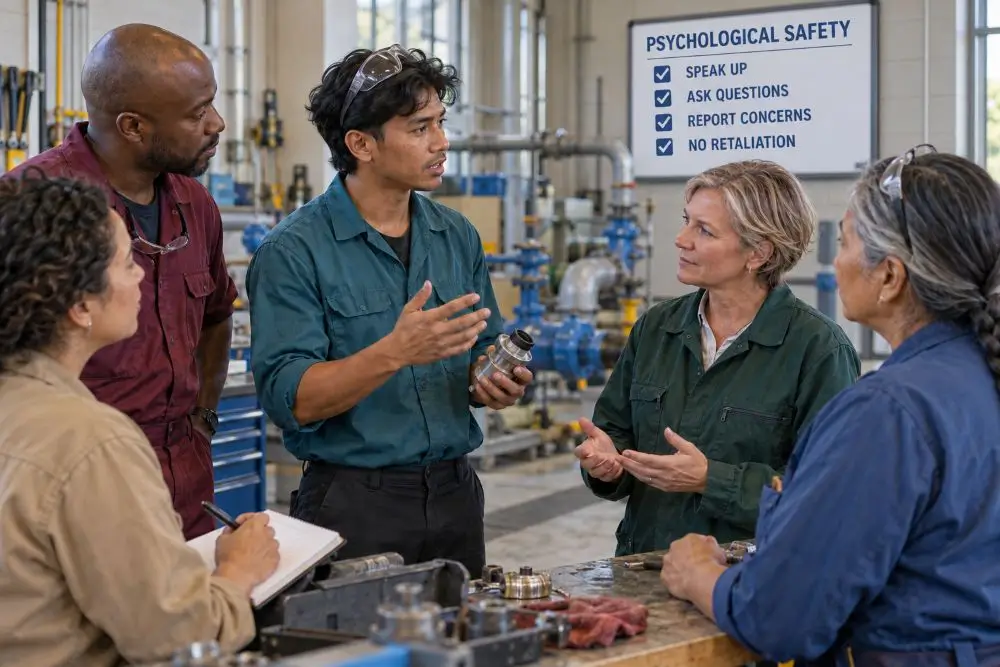
A safe workplace is not only about physical hazards, equipment, and safety procedures. Employees also need to feel comfortable speaking up, asking questions, reporting concerns, and admitting when they need help. When workers can communicate openly without fear of embarrassment, blame, or retaliation, they are more likely to participate in creating a safer and more supportive work environment.
Psychological safety plays an important role in building this type of workplace culture. It encourages respectful communication, helps teams address problems early, and gives employees confidence to share information that could prevent mistakes or incidents. Creating psychological safety requires consistent support from both leaders and employees, along with clear expectations for respectful communication and responsible behavior.
What Is Psychological Safety in the Workplace?
Psychological safety means employees feel comfortable speaking honestly at work without fear of humiliation, unfair treatment, or retaliation. It allows workers to ask questions, share ideas, raise concerns, admit mistakes, and request help when needed. Psychological safety does not mean that employees are always comfortable or that there is no accountability. Instead, it means people can participate and communicate openly while still being expected to perform their responsibilities.
A psychologically safe workplace gives employees confidence that their concerns will be taken seriously and handled respectfully. This can be especially important when a worker notices a hazard, does not understand a procedure, or believes something could be improved.
Why Is Psychological Safety Important?
Psychological safety can improve communication between employees and supervisors by making workers more willing to ask questions and share information. When employees feel comfortable reporting hazards, near misses, mistakes, or unsafe conditions, organizations have a better opportunity to address problems before they result in an incident.
It also supports teamwork, problem-solving, and learning. Employees are more likely to contribute different ideas, discuss challenges, and learn from mistakes when they do not feel pressured to remain silent. Over time, this open communication can help organizations identify workplace issues earlier and make more informed decisions about safety and operations.
What Can Happen When Psychological Safety Is Missing?
When employees do not feel psychologically safe, they may hesitate to speak up even when they notice a problem. Workers may remain silent about workplace hazards, avoid reporting mistakes or near misses, or choose not to ask questions when they are unsure about a task. Over time, this lack of communication can allow small concerns to become larger workplace problems.
Fear of blame or negative reactions can also affect teamwork and communication. Employees may withhold useful information, avoid sharing ideas, or hesitate to ask for assistance. When workers do not feel comfortable communicating openly, supervisors may have less information about what is actually happening in the workplace.
How Leaders Can Create Psychological Safety
Leaders have an important role in creating an environment where employees feel comfortable speaking up. This starts with listening to concerns without immediately judging or blaming the person raising them. Supervisors can encourage open communication, respond respectfully to questions, and make it clear that raising a concern is a responsible workplace behavior.
Leaders should also demonstrate accountability by acknowledging their own mistakes and following up when employees report problems. Taking concerns seriously and communicating what actions are being taken can build trust over time. Consistent, respectful leadership helps employees understand that their input is valued and that safety concerns can be discussed without unnecessary fear.
Encourage Employees to Speak Up About Safety
Employees should have clear and accessible ways to report hazards, unsafe conditions, and near misses. Employers can explain that reporting a concern is an important part of preventing incidents rather than something employees should avoid. Workers should also know that raising a safety concern will not result in embarrassment or retaliation.
Recognizing employees who contribute to workplace safety can further encourage open communication. When workers see that their concerns are taken seriously and followed up appropriately, they are more likely to continue sharing information that can help improve workplace conditions.
Building a Culture Where Mistakes Can Be Discussed
A psychologically safe workplace should allow employees to discuss mistakes and near misses without automatically assigning blame. Accountability means taking responsibility and addressing unsafe behavior or conditions, while blame focuses primarily on finding someone to fault. Understanding this difference can help teams discuss what happened more constructively.
Mistakes and near misses can provide useful information about procedures, training, communication, or workplace conditions that may need improvement. Instead of focusing only on the individual involved, employers can examine contributing factors, make appropriate corrections, and encourage employees to share lessons learned so similar problems can be prevented.
Communication and Respect in the Workplace
Respectful communication is an important part of psychological safety. Employees should be able to discuss concerns and disagree with supervisors or coworkers without being dismissed, intimidated, or treated disrespectfully. Providing regular opportunities for feedback can also help employees feel that their opinions and experiences are valued.
Active listening is equally important. Supervisors should give employees an opportunity to explain their concerns, ask questions when clarification is needed, and respond professionally even when they disagree. Open and respectful communication can help build trust and make it easier for teams to address workplace issues.
Training Employees and Supervisors on Psychological Safety
Psychological safety can be incorporated into workplace training to help employees and supervisors understand their roles in creating an open and respectful work environment. Supervisors can benefit from training on communication, feedback, conflict management, active listening, and appropriate responses to employee concerns.
Employees should also understand how to raise safety concerns, report hazards, and communicate problems appropriately. Connecting psychological safety with broader workplace safety training can reinforce the idea that speaking up, asking questions, and sharing concerns are important parts of maintaining a safe workplace.
Practical Ways to Improve Psychological Safety
Employers can take several practical steps to strengthen psychological safety in the workplace. Regular safety discussions can give employees an opportunity to raise concerns, while feedback sessions and anonymous surveys can provide additional ways to share information, particularly when employees may be hesitant to speak openly.
Reported concerns should be followed up so employees know their input is being taken seriously. Employers can also recognize constructive participation and review workplace policies to ensure they address retaliation, intimidation, or other behaviors that may discourage employees from speaking up.
Conclusion
Creating psychological safety requires more than telling employees that they are encouraged to speak up. Organizations need to demonstrate through their actions that questions, concerns, mistakes, and different perspectives can be discussed respectfully and addressed appropriately.
When employees feel comfortable communicating openly, employers have a better opportunity to identify hazards, learn from mistakes, and address workplace problems before they become more serious. Through supportive leadership, respectful communication, employee training, and consistent follow-up, organizations can build a workplace culture where safety and open communication work together.
Related Posts
Understanding Workplace Psychological Safety
Environmental Health and Safety Explained