
Free resource10 topics5 minutes
Free Toolbox Talks for Construction and Workplace Safety
Ready-to-use toolbox talk outlines for short safety meetings. Pick a topic, cover the key points, and ask your crew one question to close.

01Five minutes
How to Run a Five-Minute Toolbox Talk
- 1
Pick one topic tied to today's work.
- 2
Share two or three key points.
- 3
Ask the crew a question about the hazard on today's job.
- 4
Agree on one action.
- 5
Record who attended.
02Library
Toolbox Talk Topics
10 talks shown
Talk 01
Ladder Safety
- Inspect the ladder before each use
- Keep three points of contact
- Extend extension ladders at least 3 feet above the landing
Close with one question: where could this hazard show up on today's job?
Talk 02
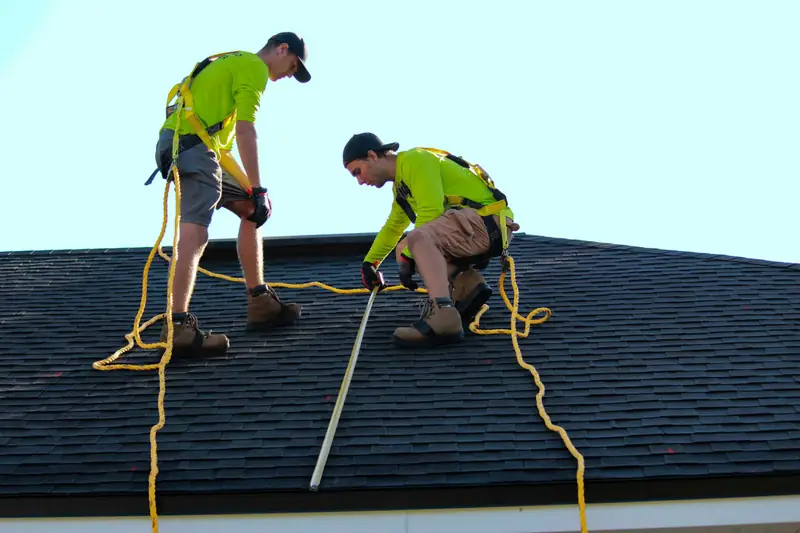
Fall Protection Basics
- Know where unprotected edges and holes are
- Inspect harnesses and lanyards before use
- Keep hole covers secured and marked
Close with one question: where could this hazard show up on today's job?
Talk 03
Struck-By Hazards
- Wear high-visibility clothing near traffic
- Stay out of equipment blind spots
- Secure tools and materials when working at height
Close with one question: where could this hazard show up on today's job?
Talk 04
Trenching and Excavation
- Never enter an unprotected trench 5 feet or deeper
- Keep spoil piles at least 2 feet from the edge
- Know where the ladder or exit is
Close with one question: where could this hazard show up on today's job?
Talk 05
Electrical Safety
- Use GFCIs with portable tools
- Remove damaged cords from service
- Stay clear of overhead power lines
Close with one question: where could this hazard show up on today's job?
Talk 06
Heat Illness Prevention
- Drink water often
- Take rest breaks in the shade
- Know the signs of heat exhaustion and heat stroke
Close with one question: where could this hazard show up on today's job?
Talk 07
Hand and Power Tools
- Keep guards in place
- Unplug tools before changing blades or bits
- Use the right tool for the job
Close with one question: where could this hazard show up on today's job?
Talk 08
Silica Dust
- Use water or vacuum dust controls when cutting concrete or stone
- Wear respiratory protection when required
- Avoid dry sweeping
Close with one question: where could this hazard show up on today's job?
Talk 09
Housekeeping
- Keep walkways clear
- Clean up spills right away
- Store materials so they cannot fall or roll
Close with one question: where could this hazard show up on today's job?
Talk 10
Hazard Communication
- Read labels before using a chemical
- Know where Safety Data Sheets are kept
- Never use unlabeled containers
Close with one question: where could this hazard show up on today's job?
Want Deeper Training?
Toolbox talks reinforce safety habits. For structured training, see OSHA 10 and OSHA 30 courses.
03Questions
Toolbox Talk FAQs
What is a toolbox talk?
A short, informal safety meeting, usually 5 to 15 minutes, held at the start of a shift to focus a crew on one hazard.
How often should we hold toolbox talks?
Many crews hold them daily or weekly. Choose a schedule your team can keep and match topics to the work ahead.
Can I print these toolbox talks?
Yes. Feel free to print or share them with your crew.
Who should lead a toolbox talk?
Usually a foreman, supervisor, or experienced worker, but any team member can lead one with a little preparation.
Turn talks into training.
OSHA 10 and OSHA 30 courses go deeper than any five-minute talk.