
Understanding Manual Labor: Advantages & Safety Concerns
Manual labor refers to work that mainly involves physical effort rather than desk-based or sedentary tasks. These jobs require workers to perform hands-on activities using strength, coordination, endurance, and technical skills. Manual labor is essential across industries that keep infrastructure, transportation, production, and daily operations functioning efficiently.
Physical vs. Sedentary Work
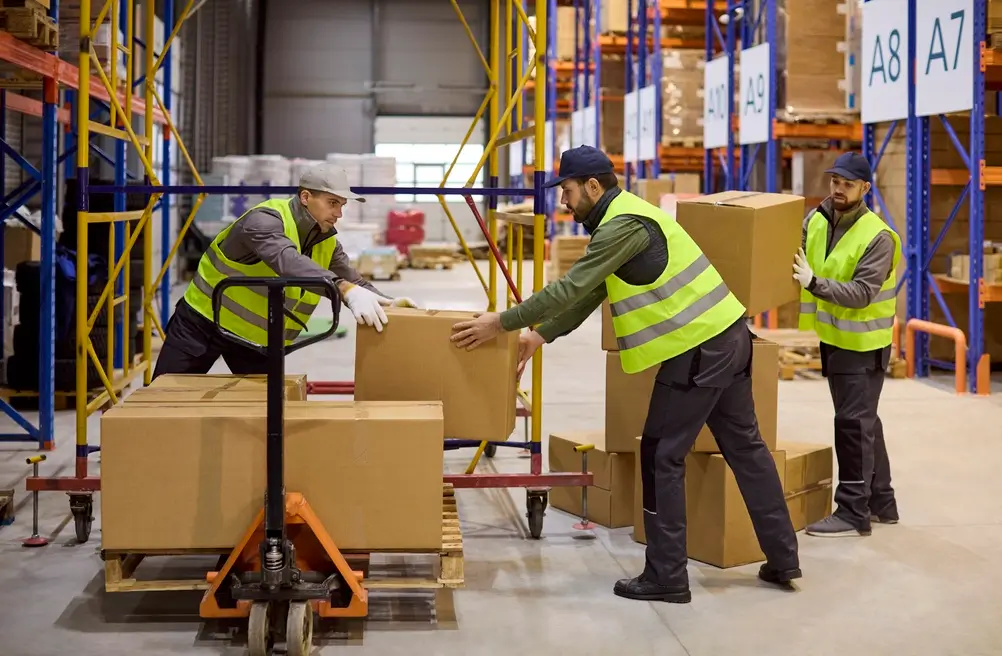
Manual labor differs significantly from sedentary work. Sedentary jobs are generally performed in offices or remote environments where employees spend most of their time sitting and working on computers or administrative tasks. In contrast, manual labor involves active movement, lifting, operating tools or machinery, standing for long periods, and working in physically demanding environments such as construction sites, warehouses, factories, and outdoor locations.
Examples of Manual Labor by Industry
Here are some examples of manual labor by industry:
Construction
Construction workers build, repair, and maintain structures such as homes, roads, bridges, and commercial buildings. Their work may involve operating heavy equipment, handling materials, reading blueprints, and performing physically demanding tasks in changing environments.
Warehousing & Logistics
Warehouse and logistics workers manage inventory, package shipments, load and unload trucks, and help maintain supply chain operations. These roles often require physical stamina, organization, and equipment handling skills.
Landscaping
Landscaping professionals maintain outdoor spaces by mowing lawns, trimming trees, planting greenery, and operating outdoor machinery. The work is highly physical and is often performed in varying weather conditions.
Manufacturing
Manufacturing workers operate machinery, assemble products, inspect materials, and monitor production lines. Many manufacturing jobs require attention to detail, technical knowledge, and adherence to strict safety procedures.
Housekeeping and Janitorial Services
Housekeeping and janitorial workers clean and maintain buildings such as offices, hospitals, schools, and hotels. Their responsibilities include sanitation, waste management, floor care, and maintaining safe and hygienic environments.
Manual Labor Is Not "Unskilled" Work
Manual labor is often misunderstood as low-skill work, but many roles require specialized training, certificates, technical expertise, and hands-on experience. Construction workers may need equipment operation training, warehouse employees often learn inventory and forklift systems, and manufacturing workers must understand machinery operation and workplace safety standards.
Manual Labor as a Career
Manual labor offers a wide range of career opportunities across industries such as construction, transportation, manufacturing, utilities, maintenance, and logistics. These careers can provide stable employment, opportunities for advancement, and valuable technical skills that remain in demand in many regions. Here are the following types of labor:
Entry-Level Positions
Many people begin manual labor careers in entry-level roles that focus on assisting experienced workers and learning practical job skills. Common positions include general laborers, helpers, warehouse associates, movers, and construction assistants.
Skilled Trades
Skilled trades are specialized manual labor careers that require technical expertise and formal training. These professions often offer higher earning potential and long-term career growth. Common skilled trades include electricians, welders, plumbers, carpenters, HVAC technicians, and mechanics.
Equipment Operation
Some manual labor careers focus on operating machinery and heavy equipment used in construction, warehousing, agriculture, and industrial operations. Examples include forklift operators, crane operators, excavator operators, and backhoe operators. These roles typically require equipment-specific training, certificates, and strong attention to workplace safety.
Training Paths for Manual Labor Careers
Many manual labor positions provide hands-on training directly at the workplace. New employees learn tasks, equipment use, and safety procedures while working under the supervision of experienced workers or supervisors.
Moreover, apprenticeship programs combine paid work experience with structured technical training. These programs are common in skilled trades such as plumbing, electrical work, and carpentry. Apprentices gradually develop expertise while earning income and gaining industry-recognized qualifications.
Trade Schools and certificates
Trade schools and vocational programs offer specialized education for manual labor careers. Students can receive training in areas such as welding, machinery operation, construction technology, and industrial maintenance. Certain jobs also require certificates for equipment operation, safety legal, or technical skills.
Manual labor continues to play a critical role in the global workforce, and many industries maintain steady demand for skilled workers. Construction remains one of the strongest employment sectors due to ongoing infrastructure development, residential projects, and commercial expansion. Renewable energy industries are also creating opportunities for technicians, installers, and equipment operators involved in solar, wind, and energy infrastructure projects. In addition, warehousing and logistics roles continue to grow as e-commerce, transportation, and supply chain operations expand worldwide.
Advantages of Manual Labor Jobs
Manual labor careers offer several benefits that make them an attractive option for many workers. From physical activity to strong earning potential, these jobs can provide both practical and personal rewards.
Physical Activity and Health Benefits
One major advantage of manual labor is the active nature of the work. Unlike sedentary office jobs that involve long hours of sitting, many manual labor positions require movement, lifting, walking, and physical engagement throughout the day. Staying physically active at work may help improve strength, endurance, and overall fitness while reducing some health risks commonly associated with prolonged desk work, such as poor posture and inactivity-related conditions.
No Traditional Degree Requirement
Many manual labor careers do not require a four-year college degree. Workers can often enter the workforce more quickly through apprenticeships, vocational programs, or on-the-job training. This can reduce education costs and help individuals avoid large amounts of student debt while still building stable and rewarding careers.
Hands-On Job Satisfaction
Manual labor often provides a strong sense of accomplishment because workers can directly see the results of their efforts. Whether building a structure, repairing equipment, maintaining a property, or completing a production task, many workers take pride in creating tangible outcomes through their skills and labor.
Valuable Skills and Business Opportunities
Skilled trades can create long-term career growth and self-employment opportunities. Professions such as plumbing, electrical work, carpentry, welding, and landscaping often allow experienced workers to start independent businesses or work as contractors. The practical expertise gained through manual labor can become a highly valuable and marketable skill set.
Competitive Pay Potential
Many skilled manual labor jobs offer competitive wages that can match or exceed some office-based careers. Trades that require specialized expertise, certificates, or equipment operation skills may provide strong earning potential, overtime opportunities, and long-term financial stability.
Strong Job Security
Manual labor remains essential in industries that rely on physical work, maintenance, construction, transportation, and infrastructure development. Many of these jobs are difficult to fully outsource or automate because they require hands-on problem-solving, physical presence, and real-world adaptability. As a result, skilled manual labor workers often continue to experience steady demand in the workforce.
Safety Basics in Manual Labor
Safety is one of the most important aspects of manual labor. Because these jobs often involve physical activity, machinery, tools, and changing environments, workers face a higher risk of injuries if proper precautions are not followed. Understanding workplace hazards and practicing safe work habits can help reduce accidents and protect both workers and employers.
Common Risks in Manual Labor
Let's take a look at some common risks associated with the job requirements of manual labor:
Falls and Slips
Falls are among the most common workplace accidents, especially in construction, warehousing, and maintenance jobs. Uneven surfaces, ladders, wet floors, and elevated work areas can increase the risk of serious injuries.
Heavy Lifting and Muscle Strain
Many manual labor jobs require lifting, carrying, or moving heavy objects. Improper lifting techniques can lead to back injuries, muscle strain, and long-term physical stress.
Repetitive Motion Injuries
Repeated movements such as bending, reaching, lifting, or using certain tools can place stress on muscles and joints over time. These repetitive tasks may lead to fatigue and chronic injuries if not managed properly.
Tools and Machinery Hazards
Power tools, industrial equipment, forklifts, and machinery can cause severe injuries when used incorrectly or without proper training. Workers must understand operating procedures and follow safety guidelines at all times.
Weather Exposure
Outdoor workers may face extreme heat, cold, rain, or strong sunlight. Prolonged exposure to harsh weather conditions can lead to dehydration, heat stress, exhaustion, or other health concerns.
Personal Protective Equipment (PPE) For Manual Laborers
Personal Protective Equipment, commonly known as PPE, helps reduce the risk of workplace injuries. The type of PPE required depends on the job and work environment. Some of the common PPE includes:
Hard hats for head protection
Gloves to protect hands from cuts and chemicals
Steel-toe boots to reduce foot injuries
Safety glasses or goggles for eye protection
High-visibility vests to improve worker visibility around vehicles and machinery
Important Safety Habits
Practicing safe work habits is essential in manual labor jobs. Workers should stay hydrated and take regular breaks, especially in hot or physically demanding environments, to reduce the risk of fatigue, dehydration, and heat-related illnesses.
Keeping the work area clean and organized also helps prevent slips, trips, and equipment-related accidents by ensuring tools, materials, and debris are properly stored. In addition, workers should always stay aware of their surroundings, including nearby machinery, moving vehicles, and other workplace hazards, as awareness and communication play a major role in accident prevention.
Employers are responsible for maintaining a safe work environment by providing proper training, safety equipment, first aid resources, and systems for reporting hazards. At the same time, workers must follow safety procedures, wear required protective gear, report unsafe conditions, ask questions when unsure, and avoid shortcuts that could increase the risk of injury.
Conclusion
Manual labor is an essential part of many industries and offers a wide range of career opportunities. From construction and logistics to manufacturing and maintenance, these jobs provide valuable skills, steady demand, and opportunities for long-term growth.
Manual labor can also be a smart career choice for individuals looking for hands-on work, competitive pay, and faster entry into the workforce without a traditional degree. Most importantly, workplace safety should always remain a priority through proper training, protective equipment, and safe work habits.
For those interested in practical, skill-based careers, exploring trades and workplace safety resources can be a strong first step toward a stable and rewarding future.
Related Posts
Environmental Health and Safety Explained
Can Felons Work in Environmental Health & Safety?